sustainable slopes
Our Mountain
We’re committed to protecting the mountain we ride on. From reducing emissions and waste to smarter transport and operations, we’re always working towards a more sustainable future on snow so these slopes stay just as remarkable for seasons to come.
Looking after the mountain
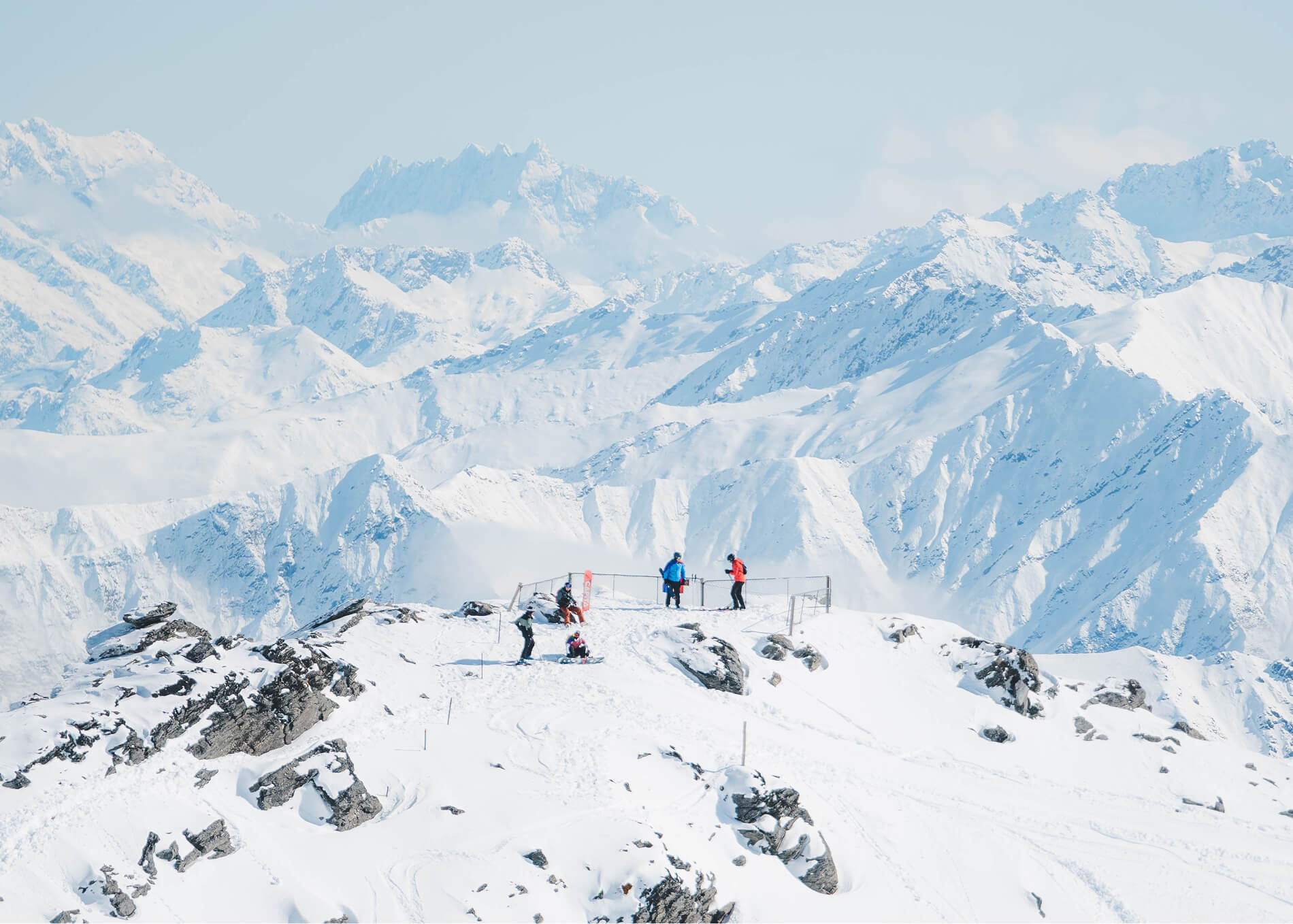
At The Remarkables, we’re committed to caring for the unique environment we operate in. That commitment has led us to set an ambitious goal: to become carbon neutral by 2030.
We’ve already reduced our emissions by more than 50% and continue to make steady progress, with a target to cut a further 5% each year. Our approach is guided by the principles of kaitiakitanga (guardianship and protection) and manaakitanga (respect, generosity, and care). We recognise that the mountain is the foundation of everything we do, and we take our responsibility to protect it seriously. We don’t take this place for granted. Sharing our passion for the mountain while looking after it has never mattered more, as we continue our journey toward carbon neutrality.

Road to Carbon neutral
The Remarkables is part of NZSki, a family-owned and operated business. Our sister mountains include Coronet Peak, just across the valley, and Mt Hutt in Methven.
Across all three mountains, our main greenhouse gas emission sources are diesel, used for grooming, transport, and building heating and electricity. Together, NZSki’s operations currently generate approximately 3,000 tonnes of Scope 1 and 2 greenhouse gas emissions each year.
how we are making a difference
Waste Reduction
In 2024, we introduced Sorting Stations to our food/drink outlets, reducing waste to landfill by 42% that year and a further 11% in 2025, through better recycling and reusable tableware.
Transport Efficiency
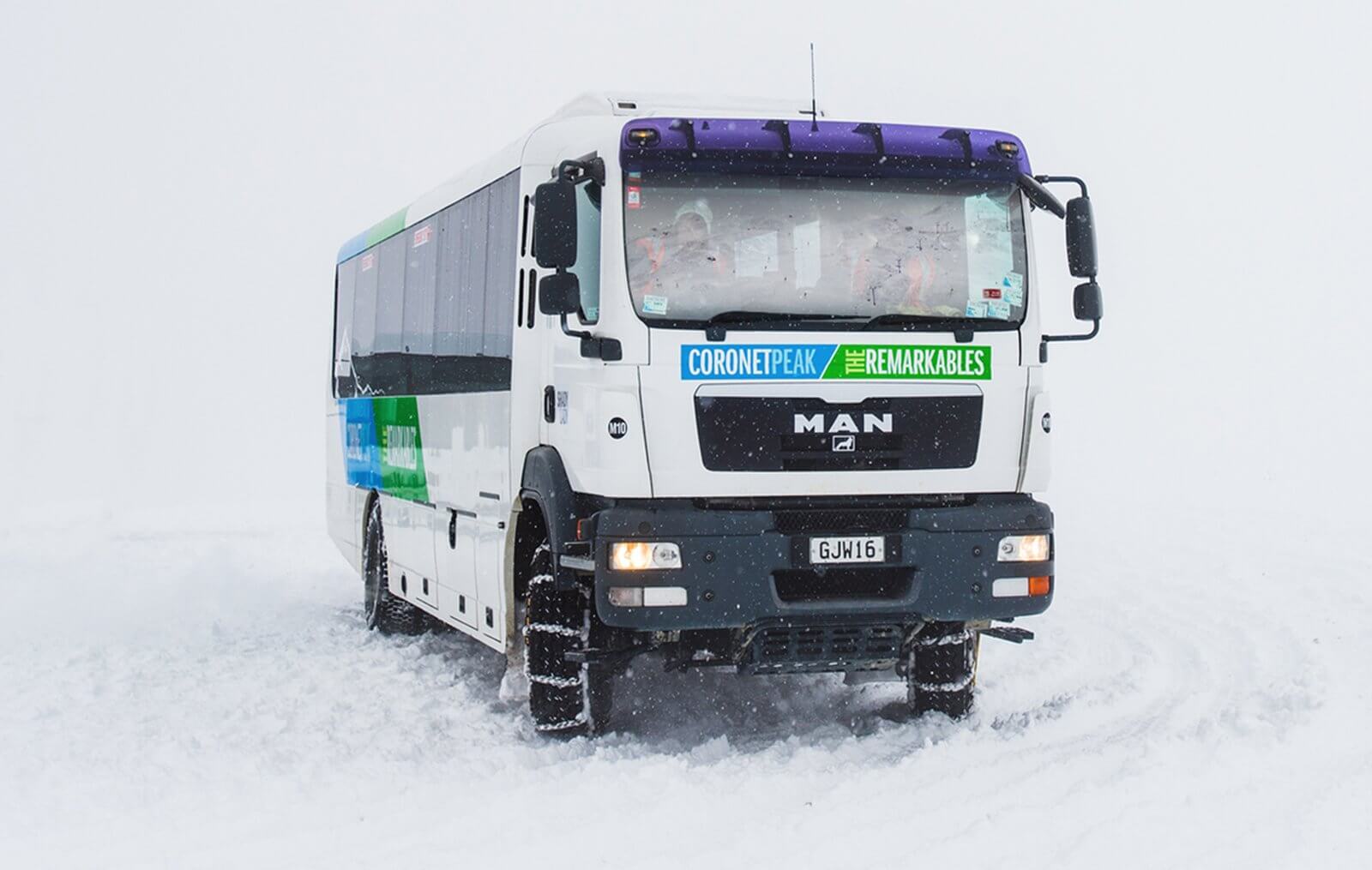
Bus passenger numbers continue to grow, helping reduce private vehicle trips to the mountain and lowering Scope 3 transport emissions. Fleet behaviour improvements this season are estimated to save around 8 tonnes of CO₂ annually.
Support For Conservation
We’re pleased to mark the first full year of our partnership with Southern Lakes Sanctuary, strengthening our commitment to protecting the unique wildlife in the region. Read more about the work they are doing, here.
Renewable Electricity
We’ve partnered with Meridian Energy to use their Certified Renewable Energy product. This allows us to report our mountain market-based Scope 2 emissions as zero.*
*Using the market-based reporting methodology as per the GHG Protocol’s Scope 2 Guidance.
Carbon Credits
We’ve purchased carbon credits from Climate Action Company (formerly Carbonz). Since 2022 we have purchased 1907 tonnes of carbon credits to offset emissions.
Here’s what’s ahead
We’re building on the progress we’ve made, with a continued focus on cutting emissions, reducing waste, and supporting biodiversity across our mountains.
Renewable electricity:
We’ll continue using Meridian’s Certified Renewable Energy, keeping our Scope 2 electricity emissions at zero.
Carbon credits (short term):
We’ll continue purchasing carbon credits while we reduce emissions at the source, with the aim of phasing them out as on-mountain reductions and native planting take effect.
*Using 2024 data as a baseline.
Carbon offsetting is just one part of our approach—and not a long-term solution. Our priority is reducing emissions wherever possible. Over time, the native trees we plant will begin to sequester carbon, reducing the need for purchased credits.
Reaching carbon neutral by 2030 means continuing to adopt, trial, and invest in the best technology available across the industry. There’s more to do—but we’re confident this is a strong foundation for the journey ahead.
On the right path
We’ll keep progressing NZSki’s Emission Reduction Initiatives - many of which are outlined on this page.
Smarter Fuel Use
With hybrid and plug-in hybrid vehicles joining our fleet, alongside SnowSat tracking for groomers, we’re targeting significant fuel efficiency gains.
Waste Reduction
By 2030, we aim to reduce food waste by 75%, move to 95% reusable tableware, and significantly cut single-use packaged items.*
Leading Together
We proudly support Destination Queenstown’s goal of becoming a carbon-zero destination by 2030. As one of the region’s largest tourism operators, we’re committed to sharing our journey, insights, and learnings with the wider community to help drive collective change.
Conservation Programmes
Planting, revegetation, and pest control projects will continue across all NZSki mountains.
Working together
We’ve partnered with Southern Lakes Sanctuary (SLS) to strengthen pest control and protect alpine wildlife at The Remarkables. SLS is one of New Zealand’s largest conservation projects, working to restore ecosystems and safeguard endangered native species across the Southern Lakes region.
This year, we’re trialling Smart Node technology on feral cat traps at The Remarkables. The system sends real-time alerts and images when a trap is triggered, allowing animals to be identified remotely. This means faster response times and reduced risk to non-target species.
Feral cats pose a serious threat to kea and other alpine wildlife, and this technology has the potential to significantly improve how we protect these species.
a safe place to land
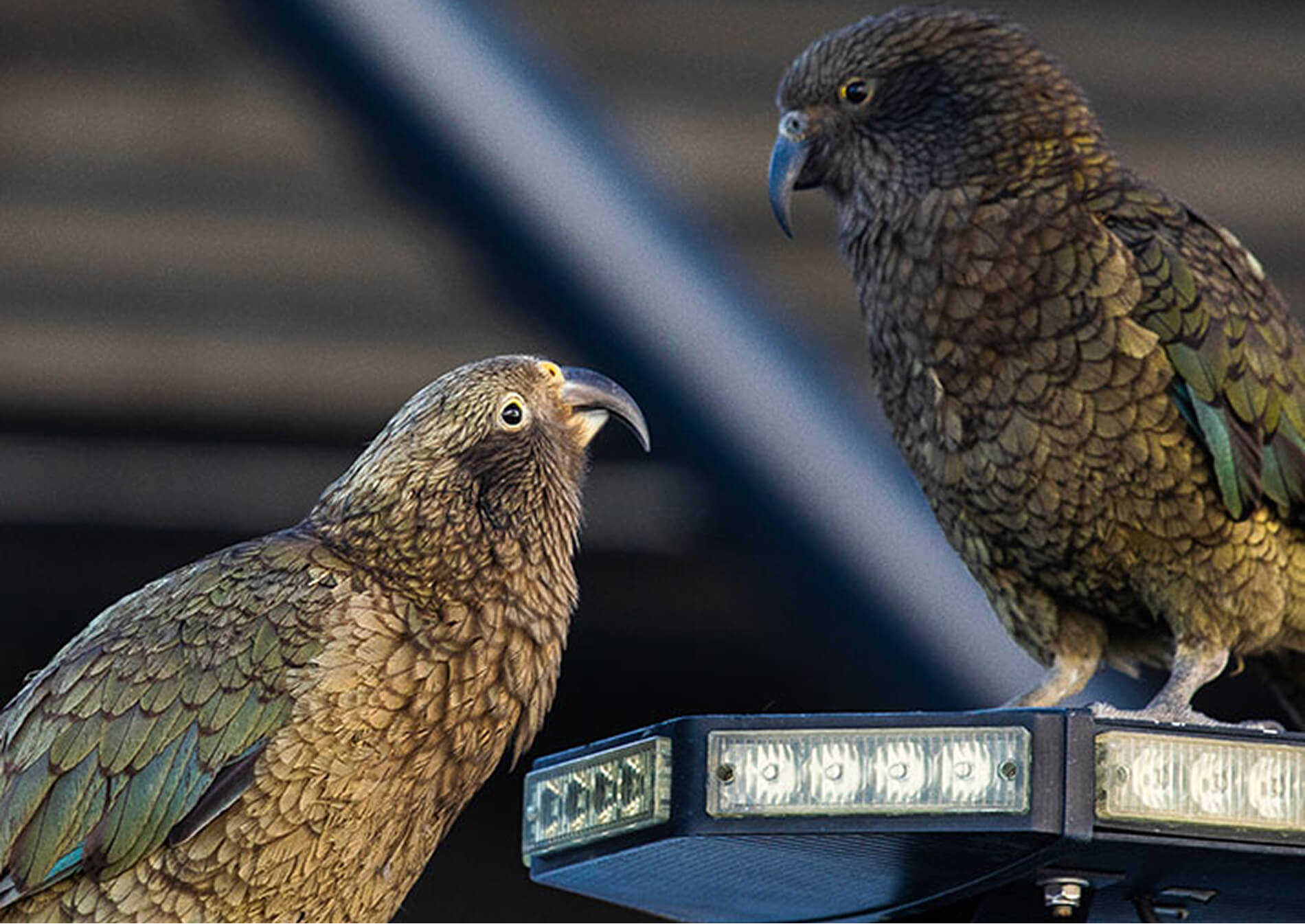
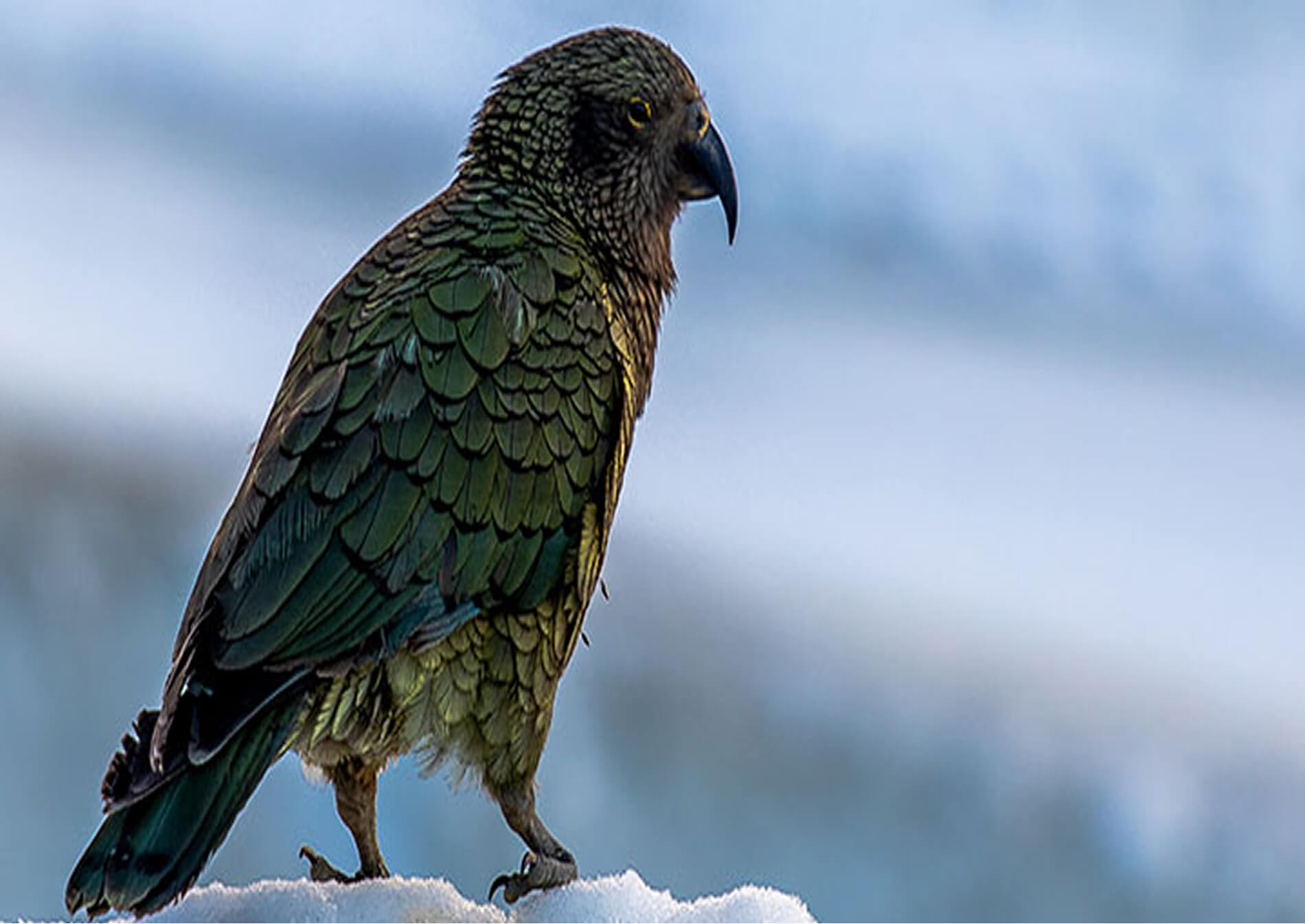
We have proudly partnered with The Kea Conservation Trust for many years, as part of a joint initiative for TheRemarkables to be a safe place for kea to reside.
Our work with the Trust to catch the birds, measure them, check their blood levels for lead and band their legs so we can monitor their progress once they’re released. We encourage visitors to report any kea sightings at The Remarkables or other spots around the Wakatipu. To date, we’ve managed to catch and band six of the cheeky, healthy parrots. If you see Kea, please report it below.
Pest Control
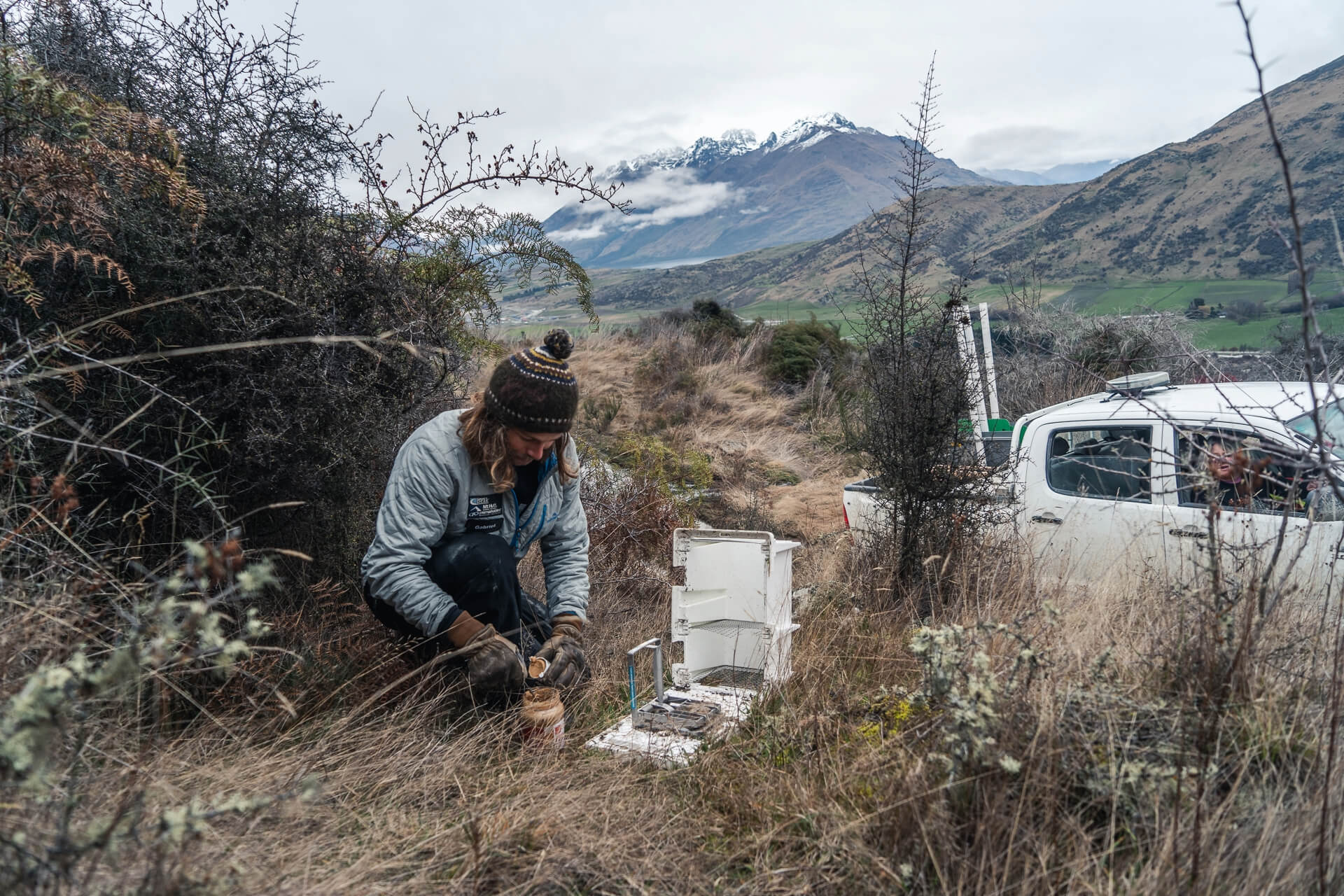
To help the kea and other birds, we have an extensive trapping system of over 100 traps set up along the access road to eradicate unwanted pests from our mountain. These traps are monitored weekly and have eliminated hundreds of predators including possums, stoats, ferrets and rats. Reducing the number of pests on the mountain also increases food sources for the birds. So far, we have trapped and eliminated over 1,000 pests.
restore and regrow
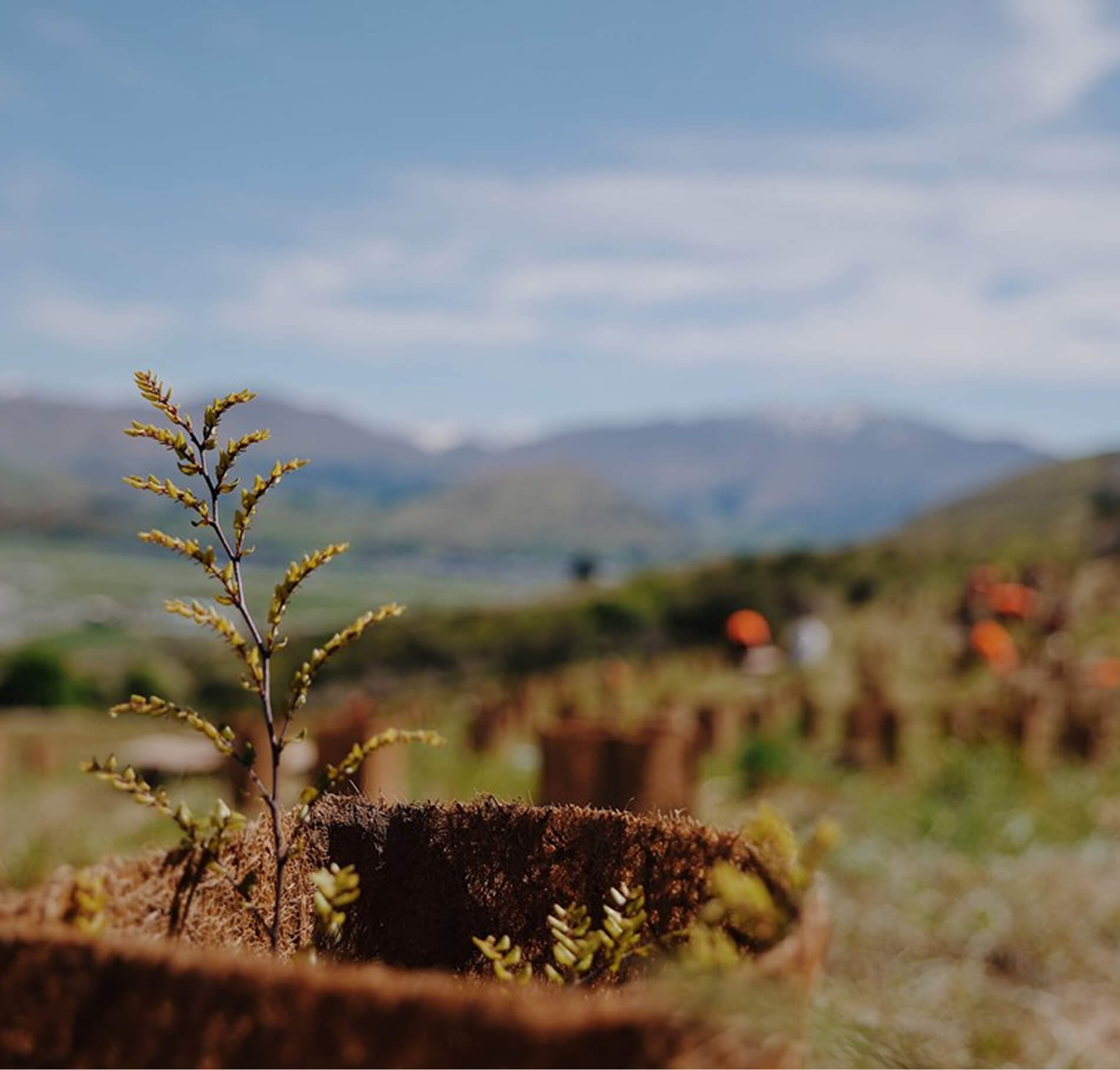
When completing trail developments or adding new infrastructure, such as new chairlifts, to the mountain, we ensure the landscape is restored so we don’t lose any native flora or fauna in the process. Native plants that are removed are propagated while the work is taking place, they’re then brought back to the same area and replanted.
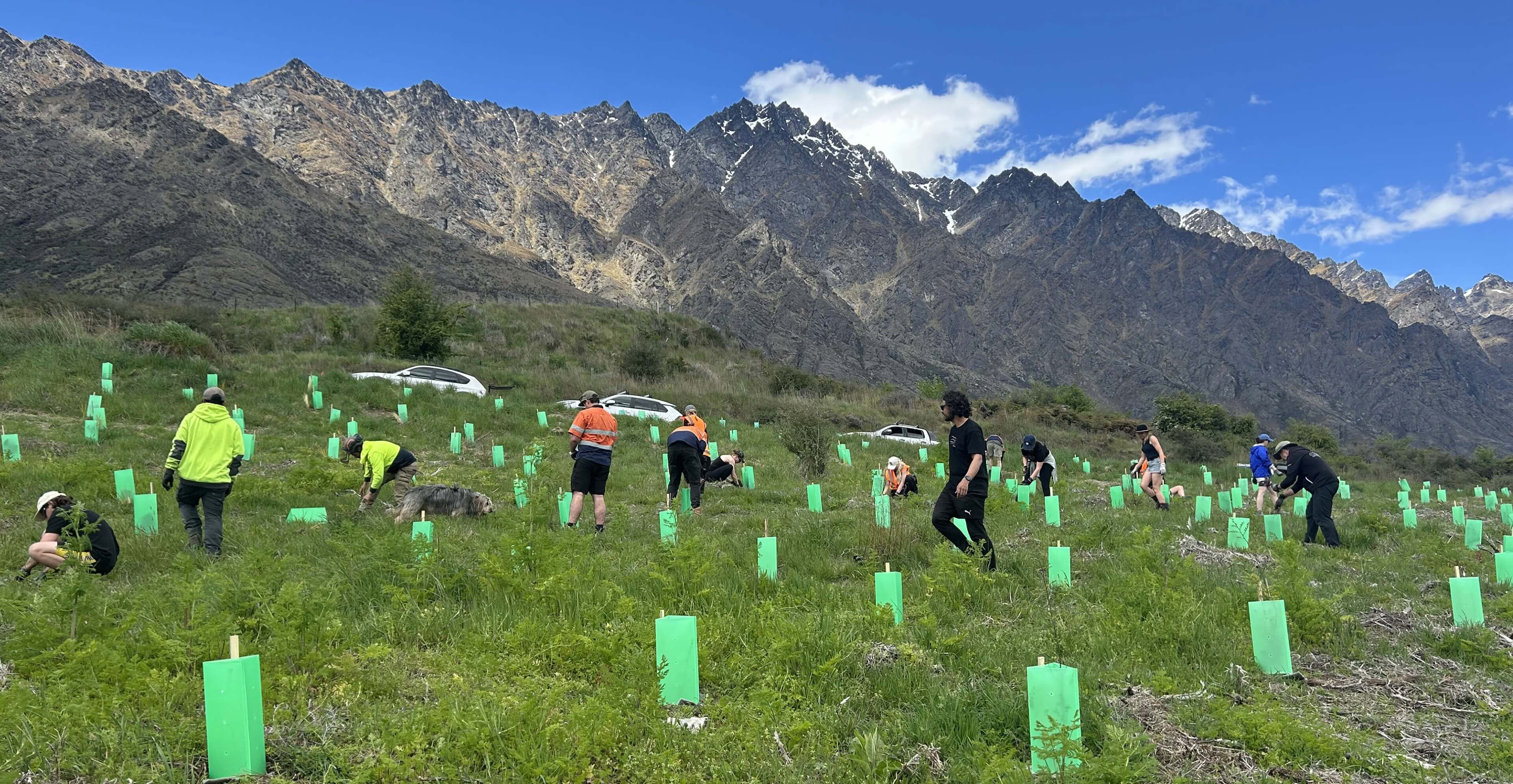
Using this same process we also revegetate other areas on the mountain. We use seed from plants already in our environment to make certain the mountain is planted with flora that is native to, and bred for, our unique alpine conditions. We have begun work to clear 20ha of non-native flora along our access road, and revegetate it with native forest. Some of this work was partially funded by the Billion Tree Project, an initiative to see one billion natives planted by 2028. In 2025/26 Summer, another block has been planted along our access road with our friends at Nationwide Gardeners. A total of 1325 native plants were installed, this included 17 Native species, chosen for their ecological value, resilience and suitability to the environment.
All of the native trees we plant on and around our mountains will begin to sequester carbon in the future, taking over from the credits we purchase.

waste minimisation
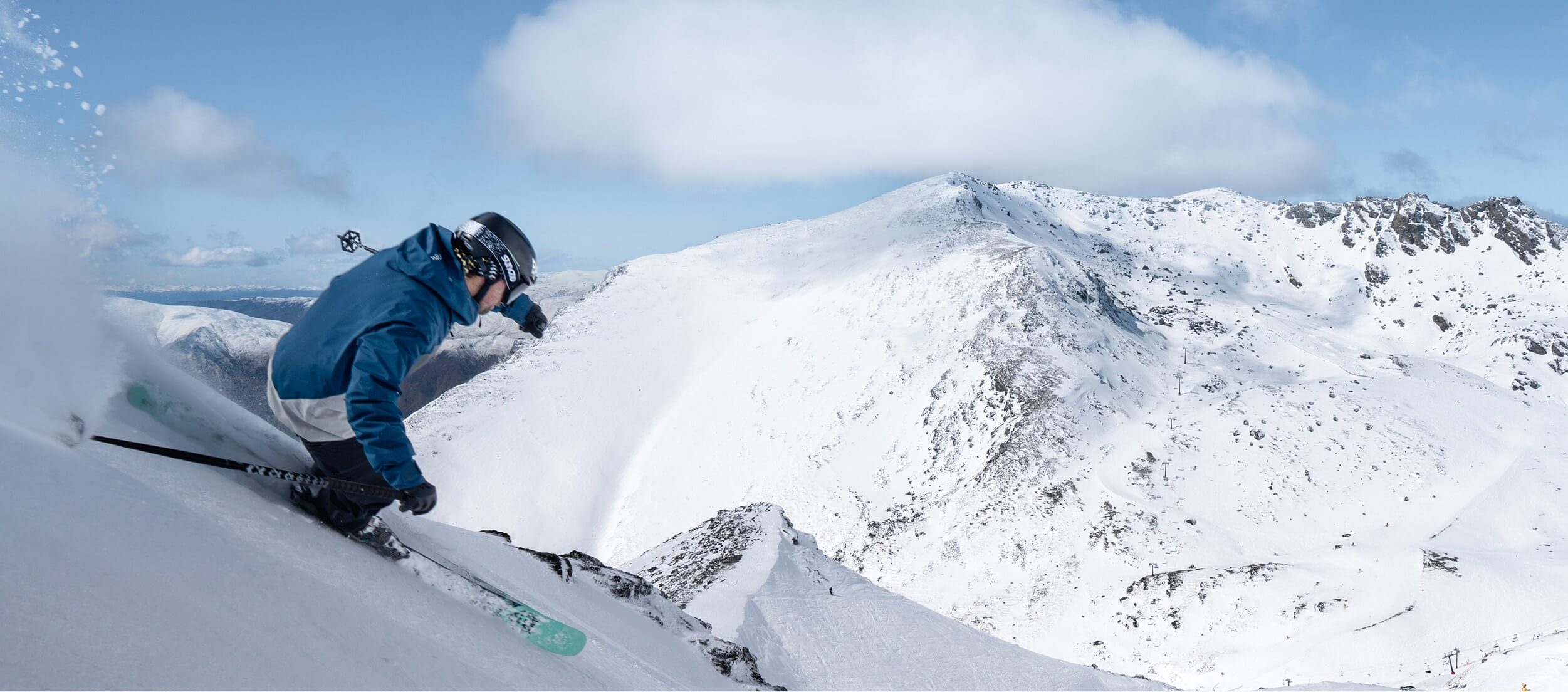
We have been working hard to significantly reduce waste in our café and restaurant through a number of different initiatives. With the introduction of Sorting Stations, we have reduced waste by landfill by 42% in 2024, and a further 11% in Queenstown in 2025. The method is simple and effective – guests drop their trays at our manned stations and our friendly staff sort the waste. This ensures better recycling, due to less contamination, it also means we don’t lose any of our reusable tableware.
At present 90% of the tableware we use (mugs, plates, knives, forks etc.) are either reusable or home compostable. You won’t see a single-use takeaway cup or sauce packets on our mountains as we outlawed these a few years ago. Each year our teams are working hard to reduce the amount of single use food packaging.
transport
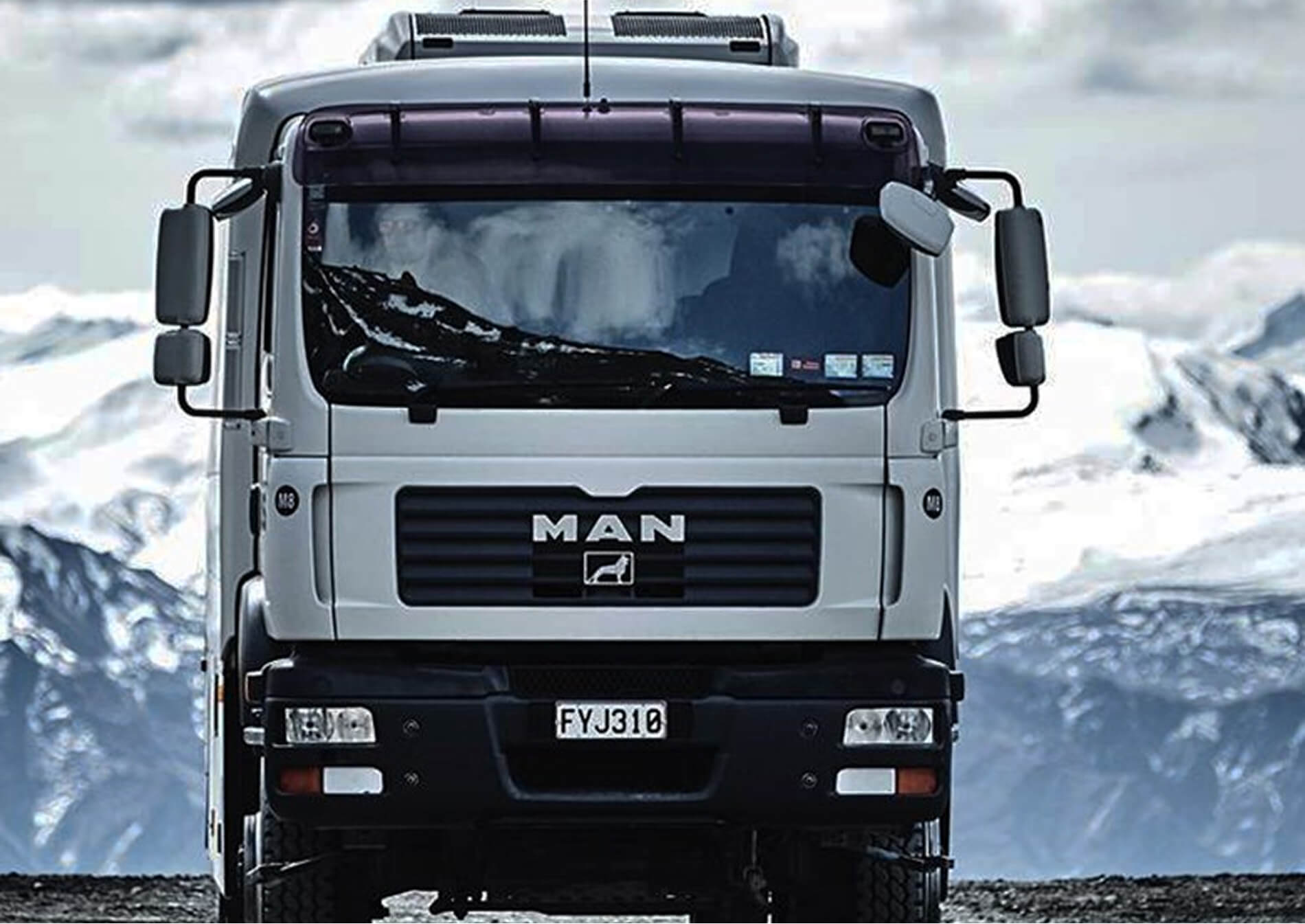
We encourage all our guests to ride-share (we recommend Snow Riders) or take our Ski Bus up the mountain to reduce the amount of trips taken per season. One bus can offset 50-60 car trips, and according to our measurements, we successfully reduced the estimated amount of CO2 produced for every guest carried. In 2025, the rate dropped from 1.41 kg CO2e in 2024 to 1.38 kg CO2e!
By the end of the 2025 season, nearly 25% of the total small vehicle fleet is comprised of hybrids of various levels. We also track fuel efficiency across our vehicle fleet to encourage efficient driving practices in vehicles and grooming. On top of this we have an in-house Transport Vehicle Usage app – it logs distance travelled and records passengers in vehicles. This data helps us better understand and reduce the number of vehicles and trips up and down the mountain. In 2025, it supported behaviour changes that we estimate to have reduce emissions by approximately 8 tonnes of CO₂.
Snow on the go
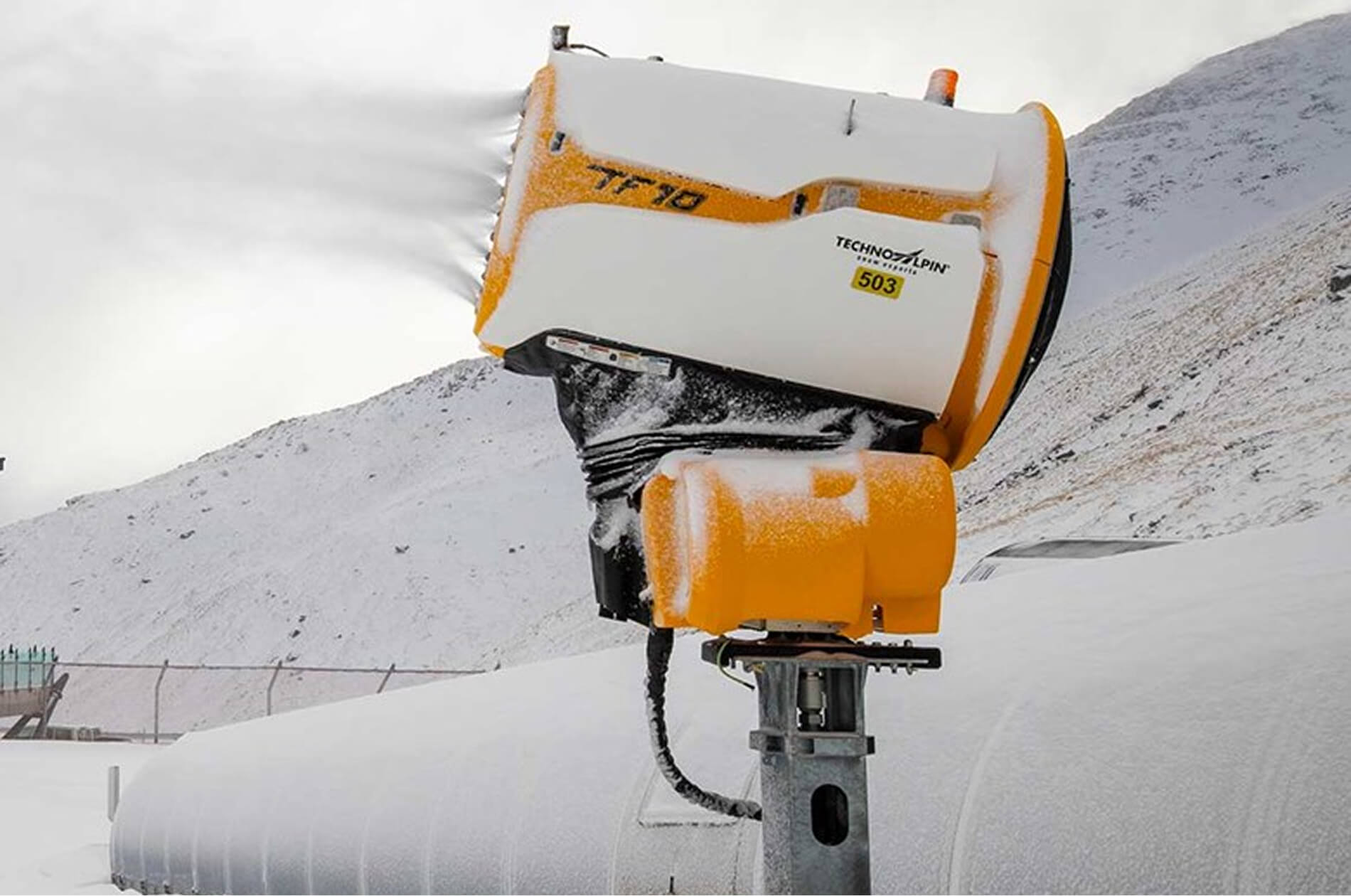
Our snowmaking systems are among the most efficient in the industry, using power and water carefully to produce high-quality snow. Water is sourced from on-mountain snowmaking reservoirs, replenished by bores drawing from aquifers and snowmelt-fed streams.
Our grooming fleet is equipped with SNOWsat - advanced snow management technology that uses GPS and detailed ground surveys to measure snow depth in real time. This allows operators to spread snow more evenly across the mountain and make snow only where it’s needed. Combined with detailed machine and operator diagnostics, SNOWsat has enabled The Remarkables Grooming team to measure the improvements made across all metrics.
About the Remarkables
Freedom Since 1985